Join The Fire Department
News
Box Box Box
Box

GC NEWS: Remembering Honorary Ex-Fire Chief Morrison
GC NEWS: Remembering Honorary Ex-Fire Chief Morrison more

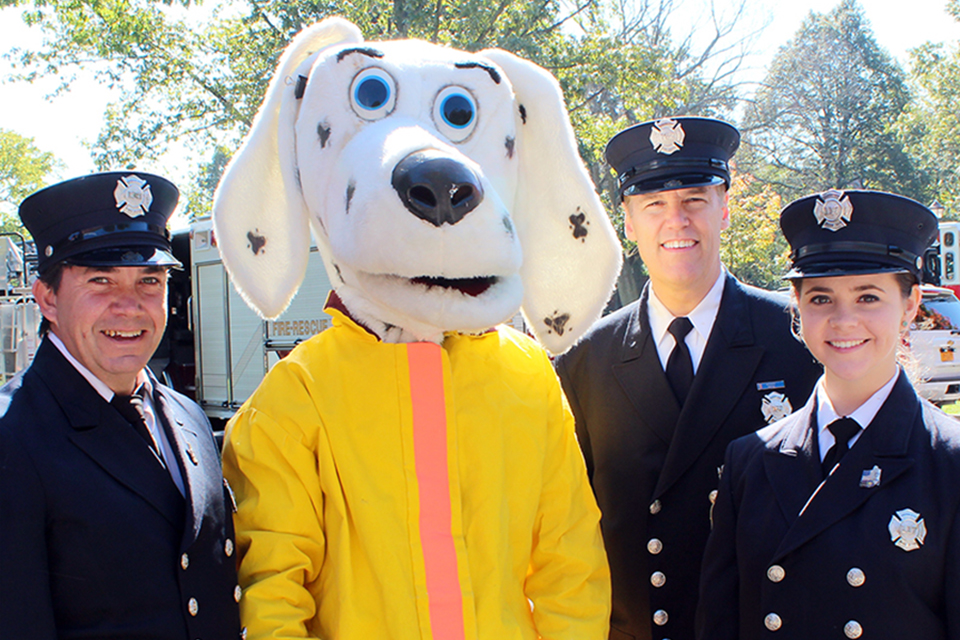
Fire Prevention Day a Success!
GCFD's Fire Prevention Day and Open House held on October 16th was a resounding success. more


Box
Box Box Box
Member Login
 
Donation

Home Heating Safety Tips


Fire Department Issues Heating Safety Tips

Once again, with the heating season upon us and, in conjunction with National Fire Prevention Week, Garden City Fire Chief Charles Cavarra wants to share important home heating and fire safety tips with residents.

According to the U.S. Fire Administration, the continued high cost of home heating fuels and utilities have caused many Americans to search for alternate sources of home heating. The use of woodburning stoves is growing and space heaters are selling rapidly, or coming out of storage. Fireplaces are burning wood and manmade logs. All these methods of heating may be acceptable. They are, however, a major contributing factor in residential fires. Many of these fires can be prevented. The following fire safety tips can help you maintain a fire safe home this winter:

Wood Stoves

Wood stoves and fireplaces are becoming a very common heat source in homes. Careful attention to safety can minimize their fire hazard. To use them safely: Be sure the fireplace or stove is installed properly. Wood stoves should have adequate clearance (36”) from combustible surfaces and proper floor support and protection.

Wood stoves should be of good quality, solid construction and design and should be evaluated by a nationally recognized laboratory, such as Underwriters Laboratories (UL). Have the chimney inspected annually and cleaned if necessary, especially if it has not been used for some time. Do not use flammable liquids to start or accelerate any fire. Keep a glass or metal screen in front of the fireplace opening, to prevent embers or sparks from jumping out, unwanted material from going in, and help prevent the possibility of burns to occupants. The stove should be burned hot twice a day for 15-30 minutes to reduce the amount of creosote buildup.

Fireplaces

Don’t use excessive amounts of paper to build roaring fires in fireplaces. It is possible to ignite creosote in the chimney by overbuilding the fire. Never burn charcoal indoors. Burning charcoal can give off lethal amounts of carbon monoxide. Keep flammable materials away from your fireplace mantel. A spark from the fireplace could easily ignite theses materials. Before you go to sleep, be sure your fireplace fire is out. Never close your damper with hot ashes in the fireplace. A closed damper will help the fire to heat up again and will force toxic carbon monoxide into the house.

If synthetic logs are used, follow the directions on the package. Never break a synthetic log apart to quicken the fire or use more than one log at a time. They often burn unevenly, releasing higher levels of carbon monoxide.

Furnace Heating

It is important that you have your furnace inspected to ensure that it is in good working condition. Be sure all furnace controls and emergency shutoffs are in proper working condition. Leave furnace repairs to qualified specialists. Do not attempt repairs yourself unless you are qualified. Inspect the walls and ceiling near the furnace and along the chimney line. If the wall is hot or discolored, additional pipe insulation or clearance may be required. Check the flue pipe and pipe seams. Are they well supported and free of holes and cracks? Soot along or around seams may be an indicator of a leak. Is the chimney solid, with cracks or loose bricks? All unused flue openings should be sealed with solid masonry. Keep trash and other combustibles away from the heating system.

Other Fire Safety Tips

Never discard hot ashes inside or near the home. Place them in a metal container outside and well away from the house. Never use a range or an oven as a supplemental heating device. Not only is it a safety hazard, it can be a source of potentially toxic fumes.

If you use an electric heater, be sure not to overload the circuit. Only use extension cords which have the necessary rating to carry an amp load. Tip: Choose an extension cord the same size or larger than the appliance electrical cord. Avoid using electrical space heaters in bathrooms or other areas where they may come in contact with water.

Frozen water pipes? Never try to thaw them with a blow torch or other open flame, otherwise the pipe could conduct the heat and ignite the wall structure inside the wall space. Use hot water for thawing or a device, like a hand-held dryer, evaluated by a nationally recognized laboratory such as Underwriters Laboratories (UL).

If windows are used as emergency exits in your home, practice using them in the event fire should strike. Be sure that all the windows open easily. Home escape ladders are recommended.

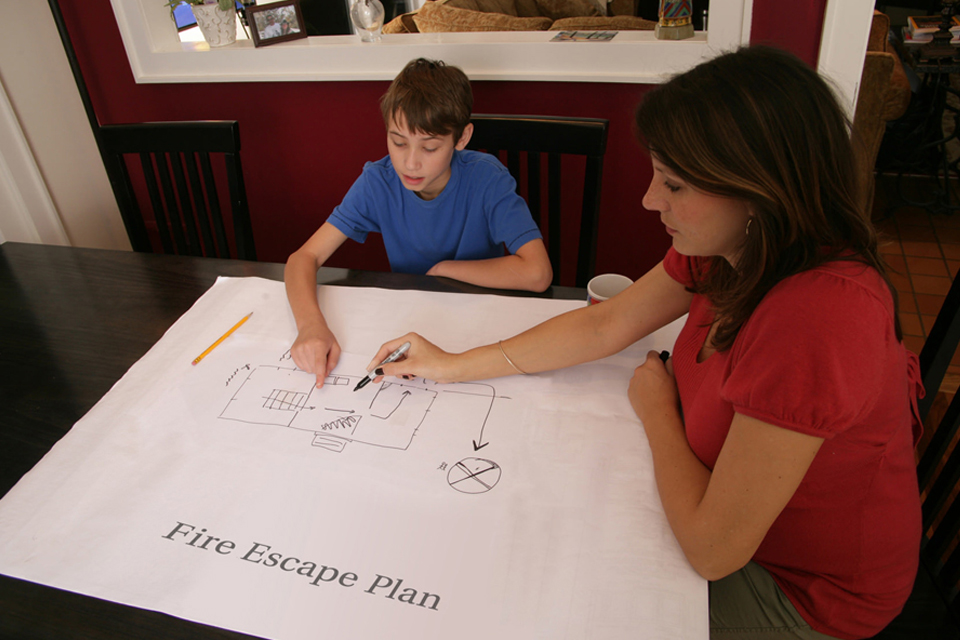
If there is a fire hydrant near your home you can assist the fire department by keeping the hydrant clear of snow so in the event it is needed, it can be located. Be sure every level of your home has a working smoke alarm, and be sure to check and clean it on a monthly basis. Plan and practice a home escape plan with your family.

Contact the Garden City Fire Department for advice if you have a question on home fire safety. Chief Cavara wishes residents and their families a very safe and enjoyable fall and winter season.

Calendar
January 2012
S M T W T F S
1234567
891011121314
15161718192021
22232425262728
293031    
Today is Sunday, 29 January. 2012 »
Firefighter Profile of the month
Homeland Security
new balance shoesasics running shoesmulberry handbagsnew balancetory burch saleonitsuka tiger saleLouboutin Saledesigner bagsprada handbagstory burch shoesLouis Vuitton Outlet
 

Privacy Policy